

Hospitality Marketing Trends 2026: How Restaurants and Hotels Are Winning Guest Loyalty
Introduction — Hospitality Marketing Is Now a Daily Discipline<
Hospitality marketing used to run in seasonal bursts — a summer campaign, a holiday push, a splashy opening announcement. That rhythm has largely disappeared. In 2026, the hotels, restaurants, and nightlife brands winning guest attention are the ones treating marketing as a daily discipline: personalized messages, real-time reputation management, and content built around actual guest experience rather than a quarterly campaign calendar. Carma Connected works with hospitality, restaurant, and cultural brands across Miami and Las Vegas, and this shift toward continuous, guest-centered communication is the single biggest change we're building around this year."
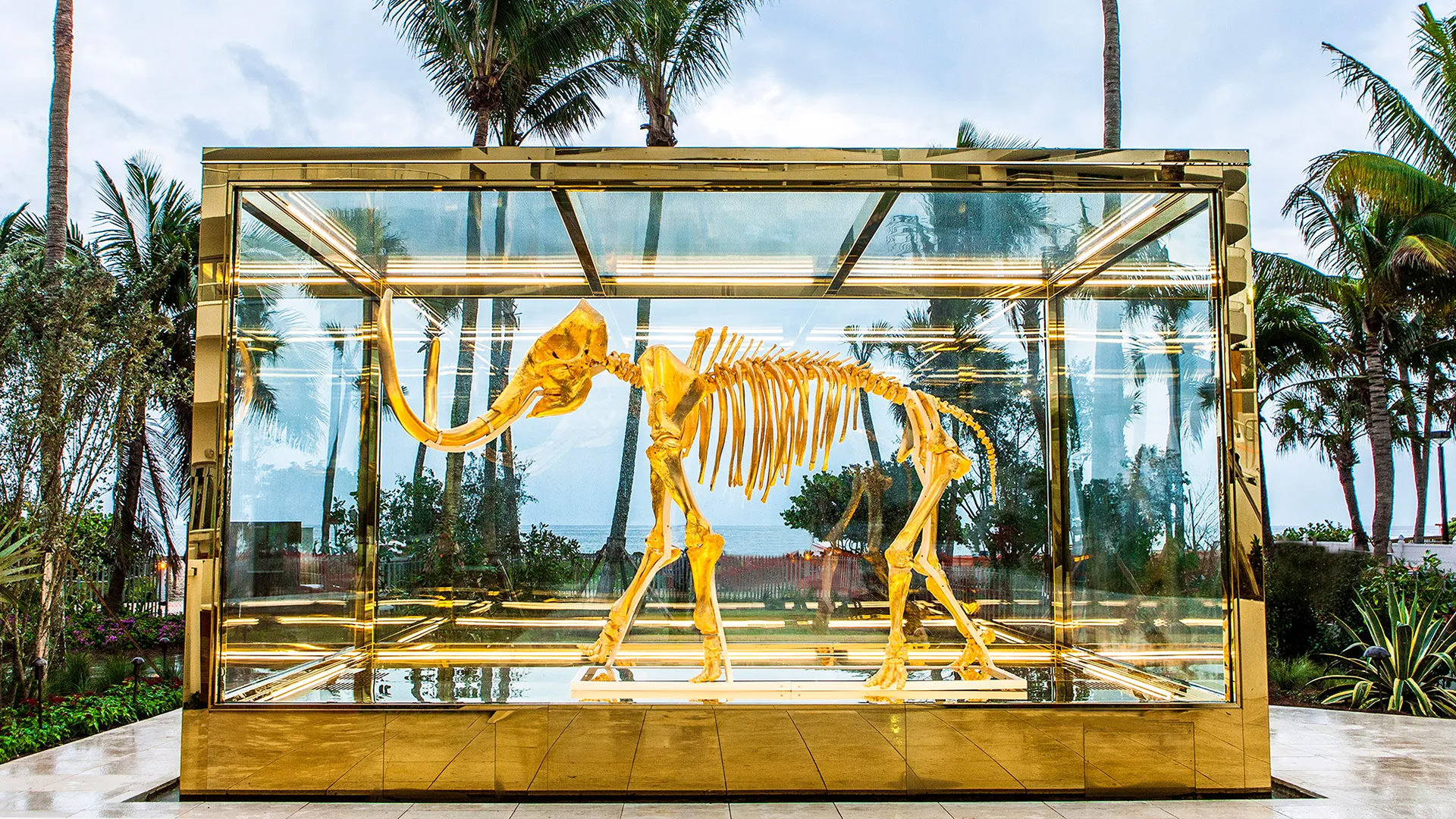
This guide breaks down the trends actually shaping hospitality marketing in 2026 and, more importantly, what they look like in a guest's everyday experience of a brand rather than in a marketing deck.
Personalization Has Moved From Nice-to-Have to Expected
Generic offers no longer move the needle the way they used to. Guests can tell the difference between a mass discount blast and a message that reflects what they've actually booked, ordered, or engaged with before, and industry research bears this out — a majority of guests now say AI-driven personalization noticeably improves how well a brand anticipates their needs. That shift matters because it changes what 'marketing' means day to day: instead of one big seasonal push, it's a continuous stream of small, individualized moments across email, app notifications, and in-property touchpoints.
For a hotel or restaurant group, this means building micro-segments based on actual guest behavior — wellness travelers, culinary explorers, repeat locals — rather than broad demographic buckets, and tailoring offers, content, and outreach to match. It's a heavier lift than a single campaign, but it's also what separates brands guests feel understood by from ones that feel like they're shouting into a crowd.
First-Party Data Is the New Foundation
As third-party cookies continue to fade and privacy regulation tightens, hospitality brands are leaning harder on first-party and zero-party data — information guests share directly through preference centers, booking behavior, app engagement, and post-stay surveys. Hotels that successfully connect their booking engine, property management system, and marketing platform into a single guest profile are seeing measurable revenue lift from that unified view, because it lets every touchpoint, from a pre-arrival email to an in-app dining recommendation, actually reflect what that specific guest cares about.
For smaller independent restaurants and hospitality brands without a large tech stack, the same principle scales down: even a simple preference quiz, a loyalty sign-up, or consistent tracking of repeat-guest behavior creates the first-party foundation that everything else — segmentation, personalization, retention — depends on.

AI as a Daily Tool, Not a Replacement for Hospitality
AI has become deeply embedded in day-to-day hospitality marketing operations — drafting content, analyzing sentiment, monitoring media, predicting booking patterns, and automating routine guest communications. What's notable heading into 2026 is the growing industry consensus that AI's role is to speed up execution, not replace the human judgment, relationship-building, and storytelling that hospitality marketing actually depends on. The brands getting this right are using AI to handle repetitive analysis and drafting so their teams can spend more time on narrative direction, media relationships, and the kind of creative thinking that a model can't replicate.
In practice, this looks like AI-assisted first drafts of guest communications that a human strategist then shapes with brand voice and real context, or sentiment analysis that flags a reputation issue early enough for a team to respond with genuine care rather than a templated reply.
Authentic, Local Storytelling Over Big-Name Influencers
One of the more meaningful shifts in hospitality communications heading into 2026 is a move away from traditional celebrity-driven influencer campaigns and toward local, nano- and micro-influencer voices with genuine community relationships. These smaller creators tend to drive stronger trust and engagement precisely because their audiences see them as a neighbor recommending a spot, not a paid placement. Combined with a broader push toward humanizing brands through real team-member stories, kitchen voices, and behind-the-scenes content, the throughline is the same: audiences respond to what feels like a real relationship, not a broadcast.
This is a strategy Carma Connected applies directly for clients like Faena Miami Beach and Pastis — building media and influencer relationships that reflect the actual character of a property or restaurant rather than treating every partnership as an interchangeable placement.
Loyalty Built on Feeling, Not Just Discounts
Price still matters, but it's no longer the primary lever driving repeat visits. Industry research shows a majority of guests say they'd pay more for a brand that 'feels worth it,' citing service, personalization, and trust as the deciding factors over a straightforward discount. The best-performing loyalty programs now blend experience-based rewards — early access, exclusive events, recognition from staff — with data-driven personalization, rather than relying on a flat percentage-off structure that any competitor can match.
For restaurants specifically, this has translated into renewed attention on retention over acquisition. Retention-focused campaigns consistently outperform new-guest acquisition efforts on ROI, since repeat guests already trust the brand, spend more per visit, and require far less persuasion to return.

Reviews and Word-of-Mouth as an Everyday Marketing Channel
Reviews have quietly become one of the most important marketing assets a hospitality brand has, partly because AI-driven recommendation tools now weigh review sentiment heavily when suggesting hotels and restaurants to travelers. That means a brand's review strategy can't be reactive anymore — it needs a systematic approach that includes timely review requests, ongoing sentiment monitoring, and fast responses to concerns before they compound into a pattern.
Word-of-mouth referrals have also grown as a starting point for hotel and restaurant discovery, reinforcing that day-to-day guest experience is itself a marketing channel. A brand's PR and social strategy can amplify a great guest experience, but it can't manufacture one that isn't actually happening on property.
Sustainability as an Operational Story, Not a Slogan
Sustainability messaging has shifted from a marketing talking point to something guests and stakeholders increasingly expect to see backed by specific, measurable practices — zero-waste kitchen operations, seasonal and local sourcing, and tracked energy or water conservation efforts. Vague sustainability language without specifics reads as PR rather than substance to an increasingly attentive audience, which means the marketing team's job has shifted from writing a sustainability statement to translating genuine operational practices into a story guests actually find credible.
For brands with a real sustainability story to tell, this is an opportunity to build content around specific practices rather than generic commitments, which tends to land with far more credibility with today's guests.
Cross-Brand Collaboration Inside a Destination
Collaborative marketing between hotels, restaurants, and local businesses within a single destination is becoming a defining strategy for 2026, particularly for brands trying to reach beyond their existing guest base. Cross-promotional partnerships between a hotel and a nearby restaurant, or a wellness brand and a local experience provider, create richer storytelling opportunities and share SEO and audience authority in a way a single brand working in isolation can't replicate.
This kind of destination-level thinking is central to how Carma Connected approaches multi-client markets like Miami and Las Vegas, where properties like Superblue sit within a broader cultural and hospitality ecosystem rather than existing in a vacuum.
Measuring What Actually Matters in 2026
As hospitality marketing shifts from broad campaigns to continuous, personalized touchpoints, measurement has to shift with it. Vanity metrics like total impressions matter less than retention rate, repeat-visit frequency, and outcome-aligned spend — whether a given channel or campaign is actually converting into bookings, covers, or renewed loyalty rather than just visibility. Hotels making this shift are moving from activity-based marketing budgets toward outcome-aligned investment, tracking which specific channels and messages actually drive revenue rather than spreading spend evenly across everything.
For independent restaurants and smaller hospitality brands, this doesn't require an enterprise-level analytics stack. It requires asking a simpler, more disciplined question about every campaign or piece of content: is this reaching guests who are likely to come back, and can we tell the difference between a campaign that drove real visits and one that just generated likes.
What This Means for a Guest's Everyday Experience
Strip away the strategy language and all of these trends point toward the same outcome for the actual guest: fewer generic blasts, more relevant recommendations, faster and more genuine responses when something goes wrong, and a brand presence that feels like it understands them specifically rather than treating them as one entry in a mailing list. That's the practical, everyday version of what 'personalization' and 'first-party data' actually deliver when they're done well — a guest who feels recognized rather than marketed at.
How Carma Connected Builds These Trends Into Daily Strategy
As a communications agency with an in-house team approach and deep, longstanding media and influencer relationships, Carma Connected translates these 2026 trends into day-to-day execution for hospitality, restaurant, and cultural clients — from proactive reputation management to local influencer strategy and destination-level storytelling. The goal in every engagement is the same: build a communications approach that shows up consistently in a guest's everyday experience of the brand, not just in a seasonal campaign.
Brands interested in how this looks for their specific property or concept can https://carmaconnected.com/contact.html to talk through a strategy built around their guests, their market, and their team.
Conclusion — The Brands Guests Actually Remember
The hospitality brands that stand out in 2026 aren't necessarily the ones with the biggest campaign budgets — they're the ones that show up consistently, personally, and credibly in a guest's everyday interactions with the brand, from the first personalized email to the way a review gets handled after a bad night. Data, AI, and loyalty strategy all matter, but they're in service of that same underlying goal: making a guest feel genuinely recognized, day after day, not just during a big promotional moment.