

Hospitality Advertising Trends in Miami: How Restaurants and Hotels Win Attention Through PR and Social Media
Introduction — How Miami Diners and Guests Actually Discover Places
Think about the last time you chose a restaurant in Miami. Chances are it did not start with a billboard or a banner ad. It probably began with a friend's story, a short video of a dish you could not stop looking at, a mention in a local roundup, or a quick scroll through a map full of photos. That small, everyday moment of discovery is where hospitality marketing is won or lost, and it looks very different than it did even a few years ago.
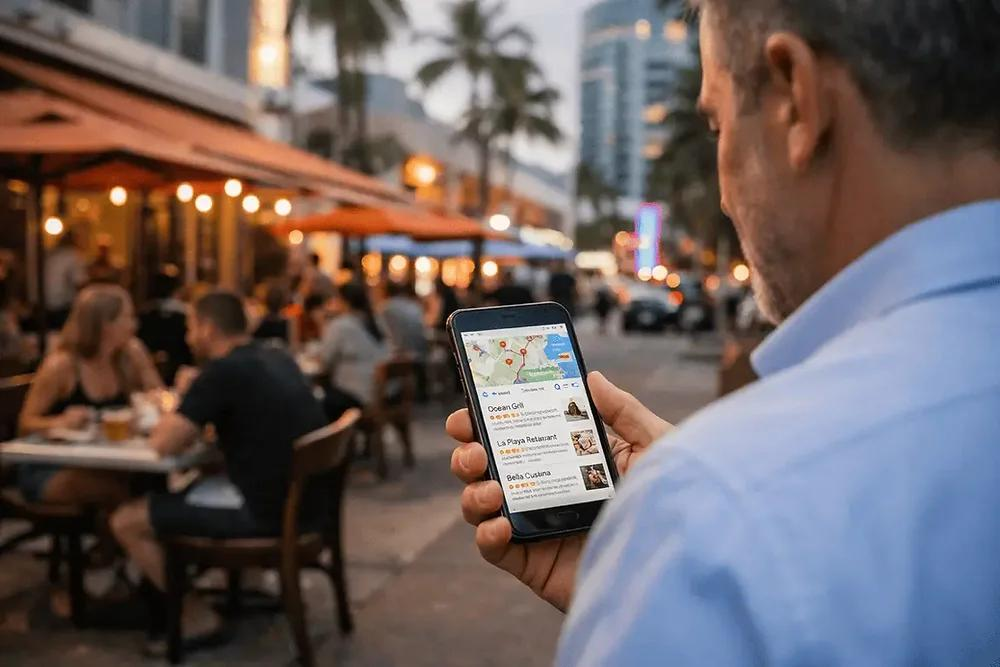
For restaurant owners, hoteliers, and nightlife operators, that shift raises a practical question: where should attention and budget go? The strongest answer is moving toward a blend of media relations, social media, and brand building that earns visibility rather than simply renting it. Agencies focused on hospitality PR have watched this change firsthand, and the pattern is consistent across the brands that are growing fastest. They invest in being talked about, not just being seen.
This guide breaks down the hospitality advertising trends shaping Miami right now, explains why they matter for restaurants and hotels in particular, and offers a practical framework you can use to plan your own approach. Whether you run a neighborhood bistro, a destination hotel, a rooftop lounge, or a growing restaurant group, the goal is the same: become the place people are already talking about before they ever sit down.
Why Traditional Hospitality Advertising Is Losing Ground
Traditional advertising still has a role, but its job has changed. Paid placements are crowded, costs tend to rise, and audiences have become skilled at tuning out anything that looks like an ad. In a city as visually competitive as Miami, where new openings arrive constantly and every venue has beautiful photos, a standard promotional message rarely cuts through on its own.
There are a few reasons for the shift.
- Trust has moved. People trust what peers, local press, and independent voices say more than what a brand says about itself. A feature in a respected publication or a genuine recommendation from a creator carries more weight than a paid claim.
- Discovery is fragmented. Diners find places through social feeds, maps, group chats, newsletters, and word of mouth, not a single channel. No single paid placement reaches all of them.
- Attention is short. Audiences decide within seconds. Content has to earn a second look immediately, which favors storytelling and visuals over copy-heavy promotion.
- Hospitality is an experience business. Guests are not buying a product. They are buying a feeling, an atmosphere, and a story. That is much easier to convey through press, social, and community than through a banner.
None of this means paid media is dead. It means paid media works best when it amplifies a brand that people already find interesting. The brands winning in Miami build that foundation first.
Trend 1: Earned Media Is Doing the Heavy Lifting
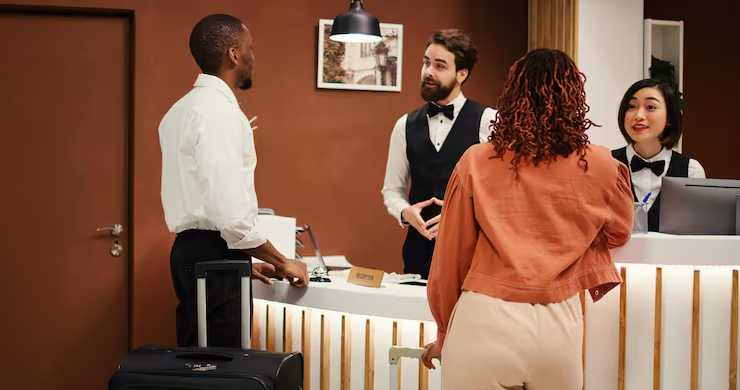
The most important trend in hospitality marketing is the renewed value of earned media. A well-placed feature, a chef profile, a mention in a best-of list, or a thoughtful review does something an ad cannot: it introduces your brand through a voice your audience already trusts.
For restaurants, that might mean coverage of a new menu, a chef's story, a signature dish, or a seasonal concept. For hotels, it might mean a feature on a redesigned property, a destination experience, or a notable guest program. In both cases, the coverage lives long after the moment, shows up in search results, and gives social content extra credibility.
Earned media also compounds. A single feature can lead to reposts, follow-up coverage, creator interest, and reservation inquiries. Over time, that coverage becomes part of how people describe your brand, which is exactly what you want from brand building. The challenge is that earning it takes relationships, timing, and a clear story, which is why media relations remains the backbone of strong hospitality PR.
Trend 2: Social Media Has Become the New Search Engine
For many diners, especially younger ones, social platforms have quietly replaced traditional search. People type queries like "best brunch in Miami" or "rooftop with a view" directly into social apps and map tools, then scroll through videos and photos to decide where to go. That makes your social presence something closer to a storefront window than a marketing channel.
This has practical consequences.
1. Your profile is a landing page. Make sure your bio, location, hours, and reservation link are clear and current.
2. Captions and on-screen text matter. Platforms read them. Mention what you serve, where you are, and what makes the place distinct in natural language.
3. Tagged content is discovery. When guests tag your venue, they are effectively writing your reviews in public. Encourage it by making moments worth sharing.
4. Consistency builds recognition. A cohesive look, voice, and rhythm help people remember you in a crowded feed.
The takeaway is simple: treat social media as part of how people find you, not just how you announce things.
Trend 3: Short-Form Video Sets the Tone
Short video has become the default language of hospitality. A thirty-second clip of a cocktail being poured, a pasta being finished tableside, or a hotel pool at golden hour does more to communicate atmosphere than a page of copy.
The brands doing this well tend to follow a few principles.
Show, do not tell. Let the food, the room, and the crowd speak. Viewers want to feel what it would be like to be there.
Lead with the strongest second. The opening moment decides whether someone keeps watching. Put the most striking visual first.
Keep it real. Overly polished content can feel distant. Behind-the-scenes moments, kitchen energy, and team personality often outperform glossy production.
Repeat what works. If a certain type of dish video or venue tour resonates, build a series around it rather than reinventing every time.
Design for sound-off and sound-on. Captions and strong visuals make content work in any setting.
Video does not have to be expensive. It has to be consistent, well-lit, and rooted in what makes your venue unique.
Trend 4: Creator and Influencer Partnerships Grow Up
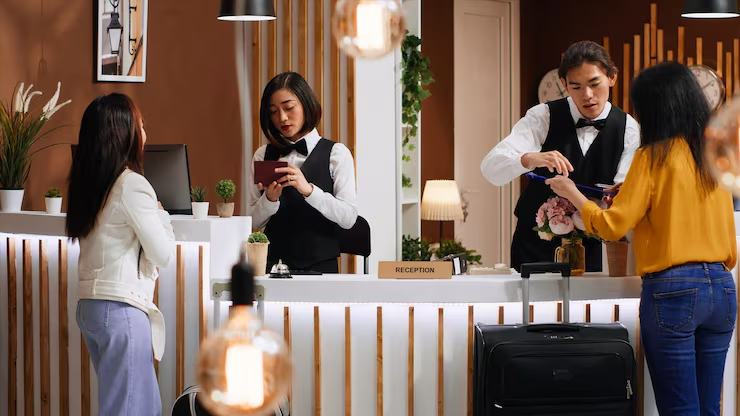
Influencer marketing has matured. The era of sending a free meal and hoping for a post is giving way to more thoughtful, relationship-driven partnerships. Hospitality brands are learning that fit matters more than follower count.
A good creator partnership starts with alignment. Does the creator's audience actually live in or visit Miami? Does their style match your venue? Do they genuinely like what you do? A smaller creator with an engaged local following can drive more real visits than a large account with a distant audience.
The best programs also think beyond a single post. They invite creators to experience the venue properly, give them a story to tell, and build ongoing relationships rather than one-off transactions. They also pair creator content with press outreach, so that social buzz and media coverage reinforce each other. That combination of influencer relations and media relations is where much of the strongest hospitality visibility now comes from.
One more point: transparency matters. Audiences expect creators to disclose partnerships clearly, and brands that encourage honest, authentic content tend to earn more trust than those that script every word.
Trend 5: Chef-, Founder-, and Story-Led Brand Building
People connect with people. The hospitality brands that stand out are increasingly built around a human story: a chef with a point of view, a founder with a reason for opening, a team with a distinct culture. That story becomes the thread that ties press, social media, and in-venue experience together.
In Miami, where cuisine and culture draw from so many influences, the story behind a restaurant brand is often its greatest differentiator. Where does the menu come from? Why this neighborhood? What does the team care about? When those answers are clear, they give journalists a reason to write, creators a reason to visit, and guests a reason to remember.
Brand building in this sense is not a logo refresh. It is the consistent expression of what you stand for across every touchpoint, from the way your team talks about the menu to the tone of your captions to the look of your dining room. A clear story makes every other marketing effort more efficient, because audiences already understand who you are.
Trend 6: Openings and Experiences Become Content
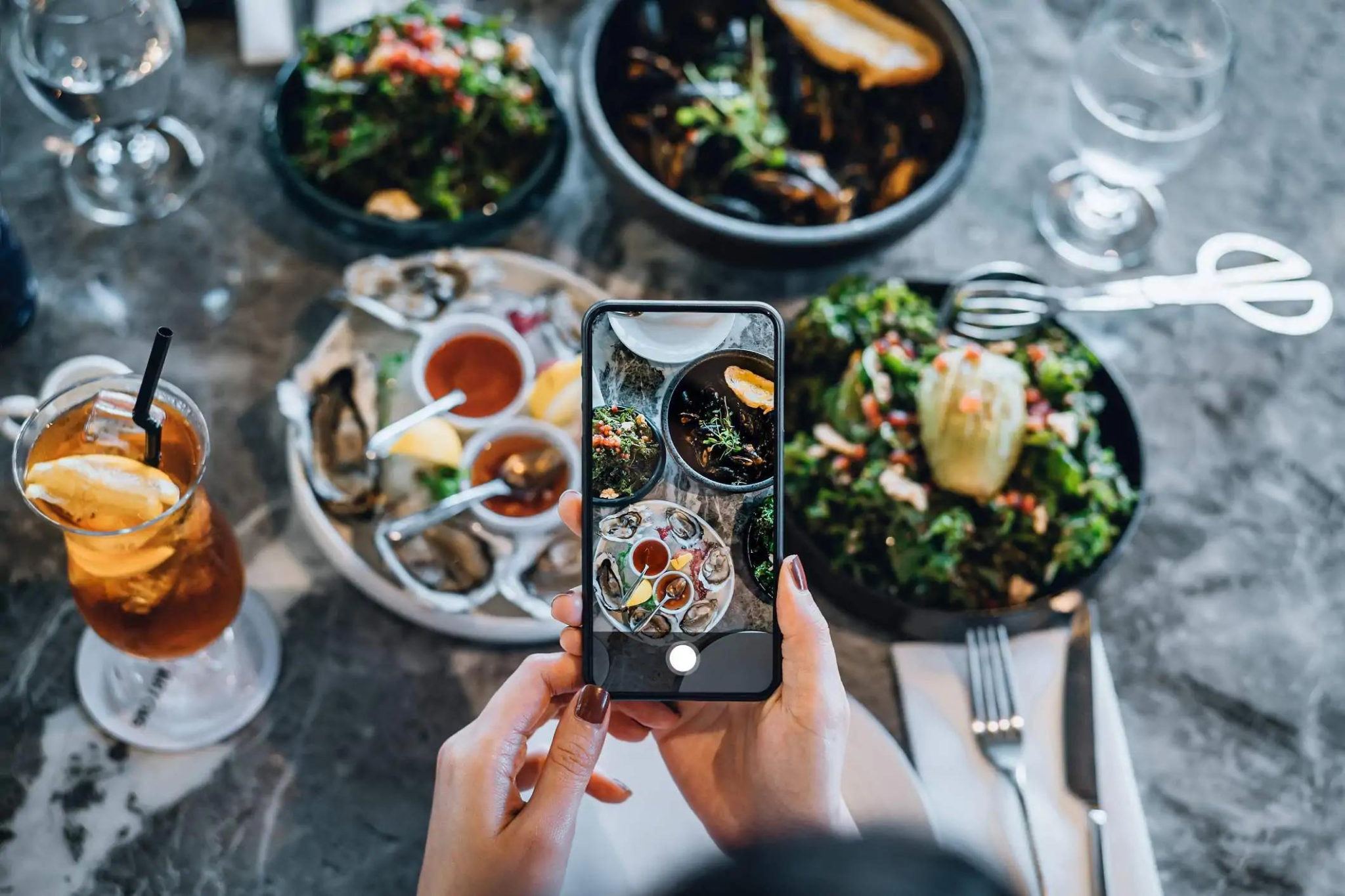
Hospitality has always been about moments, and moments now double as content. A restaurant opening, a chef collaboration, a seasonal menu launch, a rooftop party, or a cultural partnership gives you a reason to speak to press, creators, and guests all at once.
Miami's calendar is full of built-in opportunities. Art Basel week, Miami Music Week, Formula 1 weekend, Miami Spice, and the winter high season all bring a surge of visitors and local energy. Brands that plan ahead can tie their programming to these moments and give media and creators something specific to cover.
A few ideas that tend to work well include the following.
- Collaborations. Pairing with a local artist, brand, or fellow restaurant creates a story bigger than your own menu.
- Limited-time offerings. A seasonal dish or drink gives people urgency and gives press a hook.
- Intimate press and creator tastings. A small, well-run preview builds relationships and early buzz.
The key is planning the moment so that it produces coverage and content, not only a good night.
Trend 7: Hyper-Local, Neighborhood-First Storytelling
Miami is not one market. It is a collection of neighborhoods, each with its own identity. Wynwood, Brickell, the Design District, Coconut Grove, Little Havana, and Edgewater all attract different crowds and expectations. Hospitality brands that speak to their specific neighborhood often build stronger loyalty than those trying to appeal to everyone.
That means local partnerships, local press, and content that reflects the actual life of the neighborhood. A bakery that shares the story of the family that supplies its ingredients, a bar that features local artists, or a hotel that recommends the best nearby spots all build a sense of place. Guests, especially visitors, are looking for authenticity, and a neighborhood-first approach gives it to them.
It also helps with discovery. Location-based searches and map tools reward businesses that are clearly tied to a specific area. Make sure your content, listings, and press materials consistently describe where you are and what the neighborhood means to your brand.
What These Trends Mean for Restaurants vs. Hotels
The same trends apply across hospitality, but they play out differently depending on the type of business.
For Restaurants
Restaurants live and die by repeat visits and word of mouth. That makes chef stories, signature dishes, and strong visual content especially valuable. Focus on a clear identity, a few hero menu items that photograph well, relationships with local food media, and a steady rhythm of social content that shows the energy of the room. Reservation friction matters too, so make sure your social profiles and press coverage point people toward booking easily.
For Hotels
Hotels sell destination, atmosphere, and experience over a longer decision cycle. Travel and lifestyle press, creator content that captures the full stay, and storytelling around amenities, dining, and design carry more weight. Visual consistency matters, as does highlighting the experiences guests cannot get elsewhere, from rooftop moments to wellness programs to in-house restaurants.
For Nightlife and Lounges
Nightlife is driven by energy, reputation, and social proof. Creator presence, and a strong sense of who the venue is for matter most. Content should capture the feeling of the night, and press should highlight what makes the venue the place to be.
For Restaurant Groups and Multi-Venue Brands
Groups benefit from a clear umbrella story combined with distinct identities for each concept. Cross-promotion between venues can be powerful, but each location should still feel unique and rooted in its own neighborhood.
How to Build a Plan That Works in Miami
Here is a practical framework for turning these trends into a plan.
1. Define your story. Write down in plain language who you are, who you serve, and what makes you different. Everything else builds from this.
2. Know your audience. Locals, visitors, business diners, and celebrators all discover places differently. Be specific about who you want most.
3. Set a content rhythm. Decide how often you will post, what formats you will use, and who is responsible. Consistency beats bursts.
4. Build media relationships. Identify the writers, editors, and local voices who cover your category, and share news that is genuinely relevant to them.
5. Choose creators carefully. Prioritize fit and local relevance. Invite them to experience the venue properly and give them a real story.
6. Plan around the Miami calendar. Map out seasonal moments, and launches several months ahead so press and creators have time to respond.
7. Connect press and social. Share coverage on social, tag the publication, and use it as proof in your content. Let each channel strengthen the other.
8. Measure what matters. Track reservations, mentions, saves, shares, and press coverage rather than only follower counts.
9. Review and refine. Check every quarter what is resonating, drop what is not, and double down on what works.
The goal is not to do everything. It is to do a few things well and consistently, so your brand becomes familiar and trusted in the places your guests are paying attention.
Mistakes Hospitality Brands Keep Making
Even strong venues fall into the same traps. Watch for these.
Chasing every platform. Spreading thin across too many channels weakens all of them. Pick the platforms where your guests actually spend time and do them well.
Treating PR as an afterthought. Waiting until opening week to think about press is too late. Media relationships and story development should start well in advance.
Generic content. Posts and pitches that could apply to any restaurant or hotel do not stand out. Specificity, whether a dish, a neighborhood, or a person, is what earns attention.
Buying followers instead of building a community. Inflated numbers do not fill tables. Engaged local audiences do.
Ignoring reviews and guest comments. Responding thoughtfully shows that you care, and it shapes how new guests perceive you.
Inconsistent voice. If your press materials, social captions, and website all sound different, audiences struggle to understand who you are.
Measuring only vanity metrics. Likes are nice, but reservations, repeat visits, and meaningful coverage are what grow a hospitality business.
Choosing the Right PR and Social Media Partner
If you decide to bring in outside help, the way you evaluate a partner matters. Terminology varies across the industry, with some agencies calling it public relations, others calling it communications, brand building, or social media management. What matters is whether the partner clearly understands your world and can explain what they do in plain language.
Here are questions worth asking.
- Do they understand hospitality? Ask for examples of restaurant, hotel, and nightlife work, and listen for specific insight into the challenges those businesses face.
- Do they have real media and creator relationships? Strong relationships take years to build and cannot be faked.
- Do they know Miami? Local knowledge of neighborhoods, calendars, and press landscape makes a significant difference.
- Can they connect press and social? The best results come when media relations and social media work together rather than in separate silos.
- Do they talk about your goals, not their services? A good partner starts with what you need, whether that is a successful opening, steady reservations, or a stronger brand, and works backward.
- Is reporting clear? You should know what is being done, what it is producing, and how it connects to your business.
A good partner will feel like an extension of your team, not a vendor. They should ask thoughtful questions, push back when needed, and care about the long-term health of your brand.
Conclusion — Attention Is Earned, Not Just Bought
The hospitality advertising trends shaping Miami all point in the same direction. Audiences trust earned coverage, discover places through social platforms, respond to real stories, and reward brands that feel rooted in their neighborhood. Paid media still has its place, but it works best when it amplifies a brand people already find interesting.
For restaurants and hotels, the opportunity is clear: build a distinct story, share it through media relations and social media, work with creators who fit, and plan around the moments that define Miami's calendar. Do those things consistently, and your venue stops competing for attention and starts attracting it.
If you would like to keep exploring ideas on PR, social media, and brand building for hospitality, the insights on the Carma Connected blog are a good next step. And if you are planning an opening, a relaunch, or simply want a clearer plan for your restaurant or hotel, you can start a conversation with our team about what would work best for your brand.